What is Inconel? Why This Super Alloy Is A Top Choice
Inconel is a nickel-chromium superalloy built for conditions that destroy stainless — sustained heat past 1,000°C and aggressive corrosive service. Here's what it's made of, how grades 718, 625 and 600 differ, and where each one belongs.
H
Huron Alloys
10 August 2026
7 min read
What is Inconel? Why This Super Alloy Is A Top Choice
In the blazing heat of jet engines running at 1,200°C, a temperature where usual metals would melt and break disastrously, only one material is left unhurt: Inconel. The superalloy is the main material in modern aerospace, energy, and chemical processing industries which has become the driver of such technological breakthroughs that were just dreaming a few decades ago.
This very detailed guide is going to be your comprehensive resource to learn all about Inconel, from its very basics composition up to the most sophisticated applications, thus making you able to comprehend the reasons why this premium metal alloy enjoys so much respect and high prices in the globe’s most important industries.
Understanding Inconel: The Basics
What is Inconel Metal?
The better part of the Inconel brand of superalloys from the austenitic nickel-chromium family are designed for applications that go beyond the capability of the usual materials. A company called International Nickel made Inconel in the 1940s to produce one of the most successful superalloy families in history.
Key Features of Inconel Metal:
Stands up to extreme heat
Tough in harsh environments
Stays strong when hot
Easy to work with
Non-magnetic
Unlike ordinary steel or aluminum alloys, Inconel belongs to a specialized class called superalloys—metals engineered to maintain structural integrity at temperatures above 1,000°F (540°C). The Inconel family includes over a dozen different grades, each optimized for specific applications from aerospace to marine environments.
What is Inconel Made Of?
Inconel’s composition is the reason behind its outstanding performance in high temperature issues. Every element of the alloy has a very specific mission in accomplishing the remarkable properties of the alloy.
Primary Components:
Nickel (50-80%): Gives austenitic structure, ductility, and corrosion resistance
Chromium (15-25%): Makes a protective oxide film for oxidation resistance
Iron (5-20%): Strengthens and regulates thermal expansion
Secondary Alloying Elements:
Molybdenum (2-10%): Improves corrosion resistance against acids and chlorides
Niobium: Allows the process of precipitation hardening in the grades such as Inconel 718
Titanium & Aluminum: Are the sources of gamma-prime precipitates for the creep resistance
Popular Inconel Grades and Their Specifications
What is Inconel 718?
Inconel 718 is the most broadly utilized nickel-chromium-based superalloy that can be precipitation-hardened for mission-critical applications throughout the world, representing over 35% of all the superalloys produced. The material has been extensively known because of the remarkable performance that it has shown under stringent conditions for many years.
Inconel 718 is unique because of its precipitation-hardening feature which is done by a regulated heat treatment that generates small precipitates in the crystal structure thereby significantly improving the strength of the material while maintaining its ductility.
Common Applications:
Gas turbine engines (aircraft and industrial)
Rocket engines and aerospace components
Nuclear reactor parts
Oil and gas downhole tools
Cryogenic storage tanks
What is Inconel 625?
Inconel 625 is the leader of corrosion-resistant superalloys and it is specially made for chemical environments that are extremely aggressive and even other premium alloys cannot handle.
Composition of Inconel 625:
Nickel: 58% minimum
Chromium: 20-23%
Molybdenum: 8-10%
Niobium: 3.15-4.15%
Superior Properties:
Exceptional seawater corrosion resistance
Outstanding performance in acidic environments
Continuous service up to 980°C (1,800°F)
Excellent weldability and fabricability
Inconel 625, with its high molybdenum content, is not only very resistant to pitting, crevice corrosion, and stress corrosion cracking in chloride environments, but it also has such properties that make it a perfect choice for chemical processing and marine industries.
Primary Applications:
Seawater systems and marine hardware
Chemical processing equipment
Nuclear reactor components
Pollution control systems
Offshore oil platform components
What is Inconel Used For? Key Applications and Industries
Aerospace and Aviation
The aerospace industry represents Inconel’s most demanding applications, where component failure could result in catastrophic consequences. Modern aircraft engines operate under extreme conditions that push materials to their absolute limits.
Critical Aerospace Applications:
Turbine Discs: Carry high centrifugal loads at high temperature
Turbine Blades: Keep correct aerodynamic shapes even under very hot conditions
Combustion Chambers: The heat from the combustion process is directly applied
Exhaust Systems: Operation under high temperature for a long time
A modern commercial aircraft engine may contain over 40% Inconel 718 by weight, demonstrating the alloy’s critical importance in advanced propulsion systems.
Oil and Gas Industry
The oil and gas sector presents challenging environments combining high temperatures, extreme pressures, and highly corrosive fluids. Inconel has become essential for equipment operating in these harsh conditions.
Key Applications:
Downhole Tools: Deep wells reaching 200°C (400°F) and 1,000+ bar pressure
Offshore Platforms: Seawater exposure combined with hydrocarbon processing
Subsea Equipment: Underwater operation for years without maintenance
Chemical Processing
Chemical plants demand materials that withstand aggressive chemicals at elevated temperatures and pressures. Inconel provides solutions where conventional materials fail.
Applications Include:
Heat exchangers handling corrosive process streams
Reaction vessels and pressure reactors
Piping systems for aggressive chemic
What Makes Inconel So Special? Unique Properties and Advantages
Exceptional High-Temperature Performance
The main property determining the identity of Inconel is its amazing capability to hold structural strength at very high temperatures that would cause other materials to go into a catastrophic failure.
Temperature Capabilities:
Inconel 600: Up to 1,177°C (2,150°F)
Inconel 625: Up to 980°C (1,800°F)
Inconel 718: Up to 700°C (1,290°F)
High-Temperature Advantages:
Throughout the whole temperature range, the austenitic crystal structure is stable
The oxidation resistance of self-healing
Very good creep resistance
The mechanical properties at the elevated temperature were retained
Outstanding Corrosion Resistance
Corrosion resistance of Inconel is not only limited to resisting the oxidation but also the protection it provides against such parts of chemical world that are aggressive.
Corrosion Resistance Features:
Very good pitting and crevice corrosion resistance
Great performance in acidic environments
The resistance of stress corrosion cracking is at the highest level
The chemical spectrum is very wide thus compatibility
Inconel vs. Other Materials
Situations where it is wise to pick Inconel would be after looking at the side and comparing its features with those of another materials.
Higher initial cost but usually lower operating costs over time
When to choose Inconel:
Temperatures that are above 540°C (1,000°F)
Highly corrosive environments
Applications that are very important where if they fail the consequences will be very serious
Places that are far away
Working with Inconel: Fabrication and Welding Considerations
Is Inconel Difficult to Weld?
It presents unique welding challenges but can be successfully welded using proper techniques and procedures.
Welding Challenges:
Work Hardening: Rapid hardening during welding process
Heat Input Control: Requires precise temperature management
Hot Cracking: Susceptibility to solidification cracking
Contamination Sensitivity: Must prevent contamination during welding
Successful Welding Solutions:
Use appropriate filler metals (typically matching composition)
Control interpass temperature
Employ proper joint preparation and fit-up
Use inert gas shielding (argon or helium)
Post-weld heat treatment when required
Recommended Welding Processes:
Gas Tungsten Arc Welding (GTAW/TIG)
Gas Metal Arc Welding (GMAW/MIG)
Electron Beam Welding for critical applications
Laser welding for precision work
Machining and Fabrication
Working with this material requires specialized techniques due to its work-hardening characteristics and abrasive nature.
Machining Considerations:
Use sharp, properly designed cutting tools
Maintain consistent feed rates to prevent work hardening
Employ adequate coolant/lubrication
Consider ceramic or carbide tooling for extended tool life
Selecting the Right Inconel Grade for Your Application
Application-Based Selection Guide
Choosing the appropriate Inconel grade requires careful consideration of operating conditions and performance requirements.
Selection Criteria:
Temperature Requirements: Match grade capability to operating temperature
Corrosion Environment: Consider specific chemicals and concentrations
Mechanical Properties: Evaluate strength, fatigue, and creep requirements
Fabrication Requirements: Consider weldability and formability needs
Grade Selection Matrix:
High Temperature + Strength: Inconel 718
Maximum Corrosion Resistance: Inconel 625
General High-Temperature Service: Inconel 600
Specialized Applications: Inconel 601, 686, X-750
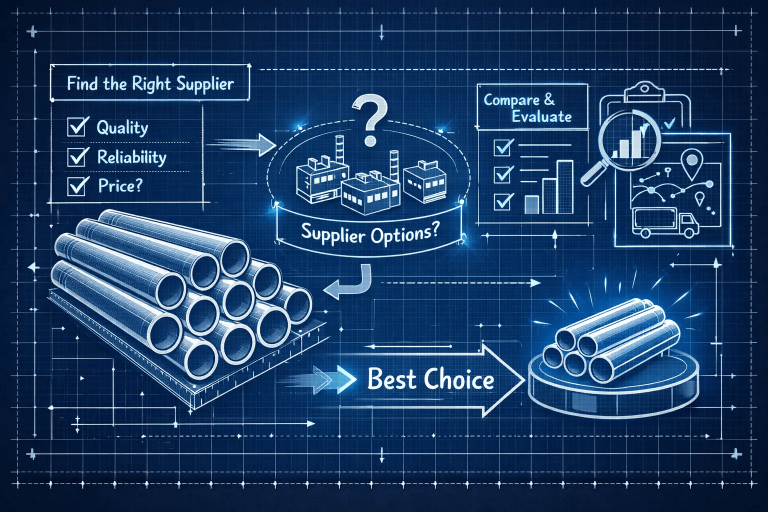
Choosing a Reliable Inconel Supplier
What to Look for in a Metal Distributor?
Selecting the right Inconel supplier is crucial for ensuring material quality and project success.
Essential Supplier Qualifications:
Quality Certifications: AS9100, ISO 9001, NADCAP approvals
Material Traceability: Complete documentation from mill to delivery
Processing Capabilities: Value-added services like cutting, machining, heat treatment
Key Questions for Suppliers:
What quality management systems are in place?
Can you provide complete material traceability?
What technical support services are available?
What are typical lead times for different grades and forms?
Conclusion
Inconel is beyond metallurgical engineering, which makes it the only material that can perform well in extremely harsh conditions where ordinary materials can not even survive. Inconel is the material that enables technologies that define the modern world such as jet engine turbine blades and oil well exploration at harsh depths.
Knowing what Inconel is, its categories and characteristics, and how it can be used in different fields opens the eyes of engineers and procurement professionals to smarter decisions on selecting materials. However, the high cost of Inconel may seem to be a major disadvantage at the beginning, but its high efficiency, long service life, and reliability in critical applications often lead to a lower total cost of ownership than traditional alternative options.
If you are choosing materials for aerospace, chemical, or marine systems, Inconel’s unique features such as high-temperature strength, corrosion resistance, and proven reliability will definitely make it the most suitable solution for your toughest problems.
Are you planning your next project with Inconel? Our specialists are at your service for your material specifications, application guidance, and competitive pricing of all Inconel grades.
Huron Alloys has supplied Canadian industry with stainless steel, aluminum, chrome moly and nickel alloys since 1983. We write about grades, specifications and certifications from a distributor's perspective — general guidance, not engineering advice. Always verify current standards and confirm material suitability for your application.